
To choose an IT consulting partner in India, look beyond the sales pitch and test for fit: relevant sector experience, real certifications and partnerships, India-specific compliance knowledge (DPDP, RBI), a sound delivery approach, security built in, change and adoption support, transparent pricing, and verifiable references. The eight questions below separate a genuine partner from a vendor. For context first, see what an IT consulting firm actually does.
Why the choice matters
An IT consulting partner shapes decisions that are expensive to reverse: your cloud, your security posture, your data platform, how your projects are run. Get the partner right and these decisions compound in your favour for years. Get it wrong and you inherit someone else mistakes. The selection is worth doing properly.
The 8 questions to ask
1. Do you have experience in our sector?
A partner who knows your industry, whether financial services, manufacturing or another, understands your constraints from day one. Ask for specific, comparable work.
2. What certifications and partnerships do you hold?
Current vendor partnerships (for example Microsoft, AWS and Google Cloud) and certifications are evidence of real, maintained capability. Ask which tier and how recent.
3. How well do you know Indian compliance?
The DPDP Act, RBI expectations and data residency are not optional in India. A partner should be fluent in them, not learning on your project.
4. What is your delivery approach?
Ask how they run projects: governance, reporting and method. A mature partner has a PMO discipline and will not improvise. Our guide to what a PMO is explains what good looks like.
5. How do you build security in?
Security should be designed in from the start, not added later. Expect clear answers on cybersecurity and, where needed, security operations.
6. How do you handle change and adoption?
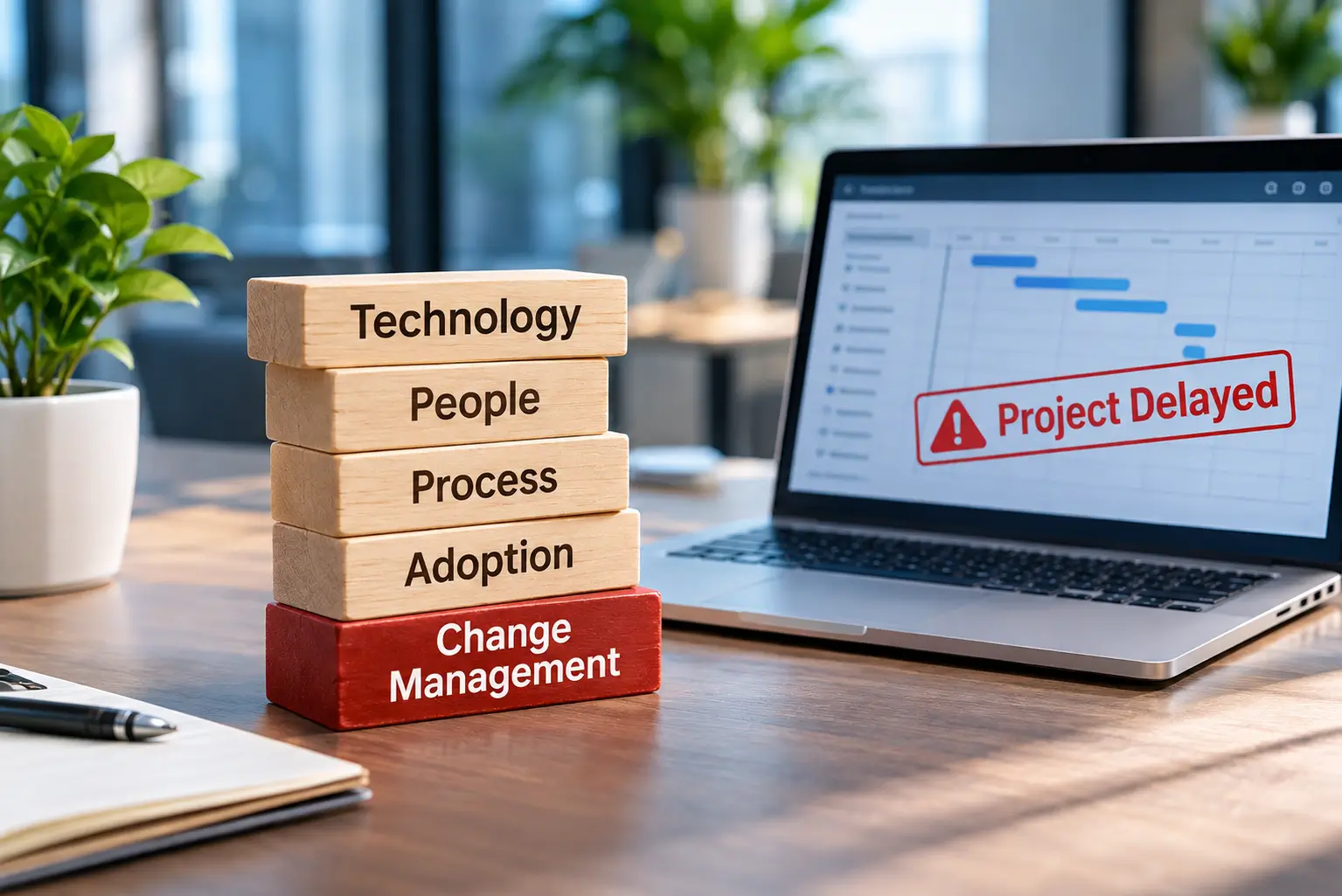
A partner who ignores the people side will deliver software nobody uses. Look for built-in change management and training, and read why projects fail without it.
7. How do you price and engage?
Transparent pricing and a clear engagement model (advisory, project, staff augmentation or managed) signal honesty. Vague pricing is a warning.
8. Can you share references and outcomes?
Ask for referenceable clients and measurable results, not just logos. A confident partner will connect you to people who have worked with them.
A vendor sells you a project. A partner leaves you more capable than they found you.
Red flags to watch for
- Promises with no discovery or assessment first.
- One answer for every problem, usually the product they resell.
- No clear plan to transfer knowledge, so you stay dependent.
- Vague pricing and shifting scope.
- No honest talk about risk, everything is easy.
Making the decision
Score each candidate on fit, evidence and honesty, not on the polish of the pitch. The best way to test a partner is a small, scoped piece of work first, often an assessment or discovery workshop, which shows you how they think and deliver before you commit to more. Schnell Technocraft is happy to be tested that way: explore our consulting services or start a conversation.